
Omega3 and Arrhythmias
A brief disclaimer: this article does not contain medical advice. It is background reading to help you ask better questions — always discuss your symptoms, and any change you are considering, with your own doctor.
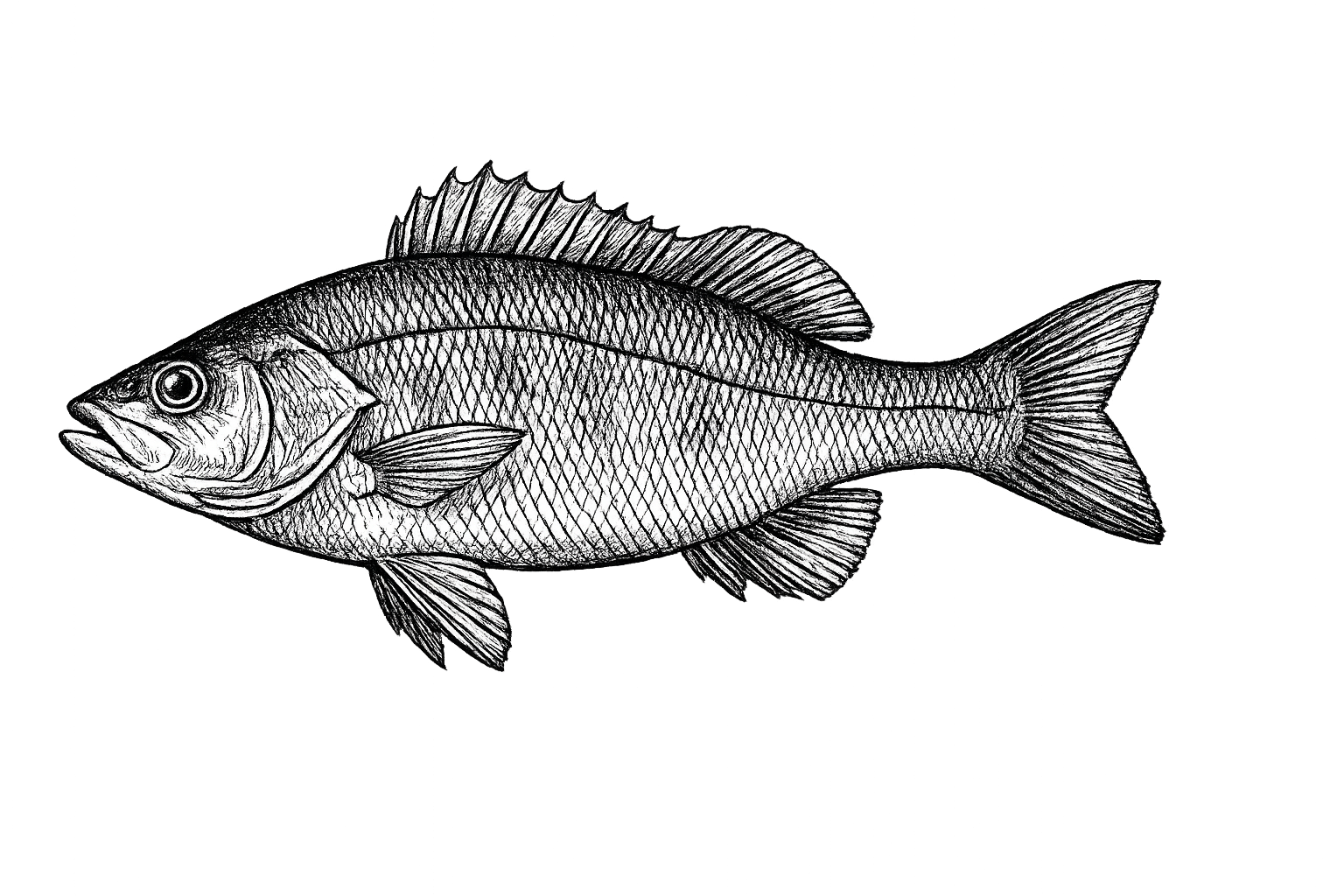
The heart needs fats to function
A person eats what is generally considered a healthy diet: seed oil in the salad dressing, chicken breast, almost no fish, some roasted sunflower seeds. Low in fat and low in animal products. The heart still skips beats at night.
The heart is partly built from fat. Every cardiomyocyte membrane is made of phospholipids, and the fatty acids in those membranes determine how well the ion channels work.
Each heartbeat is an electrical event. Sodium, potassium, calcium, and magnesium have to stay in balance, and all of this happens across the cell membrane, which is itself built from fatty acids.
If the composition of the membrane is wrong, the ion channels inside it work poorly. Timing changes, thresholds shift, and the rhythm becomes irregular.
Low-fat diets
The low-fat advice of the 1990s still influences how many people eat. Some eat almost no fat at all: no egg yolks, no fatty meat, no butter, and the only fats left in the diet are industrial seed oils.
The body then lacks materials it needs: cholesterol for hormones, saturated fat for membrane structure, and EPA and DHA for signalling.
A typical example: oatmeal for breakfast, a salad with low-fat dressing for lunch, and grilled chicken with rice for dinner. This diet provides almost no useful fat.
A growing number of people report the opposite experience after dropping seed oils and returning to real, organic animal fats — whole eggs, butter, grass-fed beef tallow, and fatty cuts from well-raised animals. They report better energy, calmer digestion, clearer skin, and in some cases fewer skipped beats at night.
This topic is disputed. Still, the early evidence against animal fat came from two sources that do not transfer well to humans eating real food. Anitschkow’s 1913 cholesterol-feeding experiments were done on rabbits, obligate herbivores whose lipid metabolism is not the same as a human’s. The large mid-twentieth-century epidemiology, most notably Ancel Keys’ Seven Countries Study, has been re-examined for selection bias and methodological problems ever since. In studies of humans eating whole foods, organic animal fats generally perform well. The body needs saturated fat for membranes, hormones, and cell signalling. In healthy people eating real food it does not raise cholesterol the way industrial seed oils, trans fats, and a diet high in sugar and refined carbohydrates do.
Much of the literature against animal fat also relies on rodent studies: rats and mice fed engineered high-fat diets and then used as a model of human heart disease. Their lipid metabolism, hormones, gut flora, and natural diet all differ from a human’s. A result in a mouse fed purified lard and sucrose does not transfer directly to a person eating real food.
None of this is medical advice, and it is worth reading the original sources rather than the headlines. One starting point is the French Paradox, described by Dr. Serge Renaud of INSERM (Lyon, France) in 1992: French populations eating notably more saturated animal fat (butter, cheese, duck fat, fatty meats) had substantially lower rates of coronary heart disease than Americans on the low-fat diet recommended at the time (search: “French Paradox Serge Renaud 1992”).
EPA and DHA
EPA and DHA are the two fatty acids that receive the most attention, because they are physically incorporated into cardiac membranes.
According to a fairly consistent body of research, EPA and DHA stabilise ion channels and reduce susceptibility to triggered activity. They also lower resting heart rate. The effect is structural, not psychological.
A person with a very low Omega-3 Index tends to have less stable electrical behaviour. This does not always cause arrhythmias, but it lowers the threshold for them.
Omega-6 and the omega-6 to omega-3 ratio
Omega-6 is essential, but the modern diet contains very large amounts of it: sunflower oil, soybean oil, corn oil, and generic vegetable oil. When the ratio of omega-6 to omega-3 becomes too high, the balance shifts toward inflammation, arachidonic acid pathways dominate, and pro-arrhythmic eicosanoids are produced.
The ratio matters more than the absolute intake of either one.
Membrane fluidity
Cell membranes need a specific level of fluidity. If they are too rigid, ion channels stop working; if they are too loose, they leak.
Trans fats and oxidised PUFAs push the membrane toward a less functional state. EPA, DHA, and other healthy fats push it back.
Oxidised fats
Polyunsaturated fats are unstable. Heat, light, and air oxidise them quickly: reheated frying oil, supermarket “cold-pressed” oils sold in clear bottles, old fish oil capsules that have gone rancid. All of these deliver oxidised lipids into the membrane.
Oxidised fatty acids in the cardiac membrane disturb ion channel behaviour and create chronic low-grade stress in the tissue.
Cooking with high-PUFA oils at high temperatures is therefore a bad idea, even when the label says heart healthy.
Fatty acids and minerals
The same membrane that holds the fatty acids also hosts the potassium- and magnesium-dependent channels. A fatty acid imbalance reduces how efficiently the cell handles these minerals, even when blood levels look normal.
Someone with borderline electrolytes and a low Omega-3 Index has more electrical instability than either problem would produce on its own.
The Omega-3 Index
This is the most useful lab test in this area. It measures the percentage of EPA + DHA in red blood cell membranes, which shows directly what the cardiac membrane is built from.
- Below 4% — a high-risk zone
- Above 8% — considered protective
- Most Western populations sit at 4–5%
It reflects weeks to months of dietary intake, not a single meal.
Oxidised LDL
The standard lipid panel — total cholesterol, LDL, HDL, triglycerides — is less informative than it appears. Two people can have the same LDL number and very different cardiovascular risk. The particle that damages arterial walls is not plain LDL but oxidised LDL (ox-LDL), LDL that has been attacked by free radicals, often as a result of too many fragile PUFAs, too much sugar, and too few antioxidants.
Ox-LDL is the form taken up by macrophages, which then become foam cells and end up inside an atherosclerotic plaque. Plain LDL mostly circulates without causing damage. Almost no routine lipid panel measures ox-LDL.
- Standard LDL — heavily contextual, says little about particle quality
- Oxidised LDL — directly reflects how much of the LDL pool is already damaged and biologically aggressive
For anyone concerned about cholesterol because of a single LDL value on a standard report, an ox-LDL test, and ApoB if available, gives a more accurate picture. It is rarely offered by default. It often changes the interpretation, especially for people eating plenty of natural saturated fat whose LDL looks high on paper while their oxidised fraction is low.
What helps
- Fatty fish two or three times a week — sardines, mackerel, anchovies, wild salmon. Not fried, not breaded, not cooked in seed oil.
- A clean, fresh fish oil or algae-based EPA/DHA supplement if fish is not an option. Stored in the fridge and checked for rancidity. Avoid liquid formulations with strong added flavours — lemon, orange, mint and similar are often used to mask a rancid smell that would otherwise be obvious.
- Cooking with butter, ghee, olive oil, or coconut oil instead of industrial seed oils.
- Whole eggs. Yolks contain choline, phospholipids, and a small but real amount of omega-3.
Fatty acid status does not show up on an ECG and does not trigger an alert on a Holter, but it determines how stable each heartbeat is, and it is one of the few root causes that can be corrected through diet.
References
- Harris WS, Von Schacky C. “The Omega-3 Index: a new risk factor for death from coronary heart disease?” Preventive Medicine, 2004;39(1):212-220.
- Mozaffarian D, Wu JH. “Omega-3 fatty acids and cardiovascular disease: effects on risk factors, molecular pathways, and clinical events.” Journal of the American College of Cardiology, 2011;58(20):2047-2067.
- Leaf A, Kang JX, Xiao YF, Billman GE. “Clinical prevention of sudden cardiac death by n-3 polyunsaturated fatty acids and mechanism of prevention of arrhythmias by n-3 fish oils.” Circulation, 2003;107(21):2646-2652.
- Simopoulos AP. “The importance of the omega-6/omega-3 fatty acid ratio in cardiovascular disease and other chronic diseases.” Experimental Biology and Medicine, 2008;233(6):674-688.
- Harris WS, Tintle NL, Imamura F, et al. “Blood n-3 fatty acid levels and total and cause-specific mortality from 17 prospective studies.” Nature Communications, 2021;12(1):2329.
- Christensen JH. “Omega-3 polyunsaturated fatty acids and heart rate variability.” Frontiers in Physiology, 2011;2:84.
- Siscovick DS, Barringer TA, Fretts AM, et al. “Omega-3 Polyunsaturated Fatty Acid (Fish Oil) Supplementation and the Prevention of Clinical Cardiovascular Disease.” Circulation, 2017;135(15):e867-e884.
- Albert CM, Campos H, Stampfer MJ, et al. “Blood levels of long-chain n-3 fatty acids and the risk of sudden death.” New England Journal of Medicine, 2002;346(15):1113-1118.
- DiNicolantonio JJ, O’Keefe JH. “Omega-6 vegetable oils as a driver of coronary heart disease: the oxidized linoleic acid hypothesis.” Open Heart, 2018;5(2):e000898.
arrhythmiasheartpalpitationsomega3omega6fatty acids